富士の怒りを鎮め、千年の時を刻む「河口浅間神社」その歴史と美しさを探る富士山の北麓、河口湖のほとりに静かに佇む河口浅間神社(かわぐちあさまじんじゃ)。
ここは、単なる観光地ではなく、かつて荒ぶる自然と向き合った人々の祈りの原点とも言える場所です。今回は、その奥深い歴史、神秘的な言い伝え、そして現代に受け継がれる魅力を紐解いていきましょう。

1. 歴史:平安の噴火と神社の興り河口浅間神社の起源は、平安時代の西暦864年(貞観6年)にまで遡ります。当時、富士山は「貞観大噴火」と呼ばれる未曾有の大噴火を起こしました。流出した膨大な溶岩は、広大な樹海を形成し、湖を二つに分断するほどの猛威を振るいました。この天災を「富士の神の怒り」と捉えた朝廷は、その怒りを鎮めるために、翌865年、富士山の神である浅間大神(あさまのおおかみ)をこの地に祀りました。

これが河口浅間神社の始まりです。以来、この場所は「富士山世界文化遺産」の構成資産の一つとして、今もなお厳かな空気を保ち続けています。
2. 言い伝え:女神が守りし聖域この神社には、富士山の神霊とされる美しい女神、木花開耶姫命(このはなさくやひめのみこと)が祀られています。
興味深いことに、貞観の大噴火の際、この河口地区には不思議と溶岩が押し寄せなかったという記録が残されています。古くから人々は、これを神威(神の力)による守護だと信じてきました。現在でも、火難除け、安産、そして大切な人との絆を結ぶ「縁結び」の神様として、篤い信仰を集めています。

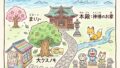
3. 特徴:巨木が語る時間と、天空の眺望境内に足を踏み入れると、まず目に飛び込んでくるのが、山梨県の天然記念物にも指定されている「七本杉」です。七本杉: 樹齢1200年を超えるという圧倒的な存在感を放つ杉の木々。特に5号杉と6号杉は、根元が一つに見えることから「父母杉(ちちははすぎ)」、あるいは「縁結びの杉」と呼ばれ、人と人との繋がりを象徴する存在となっています。
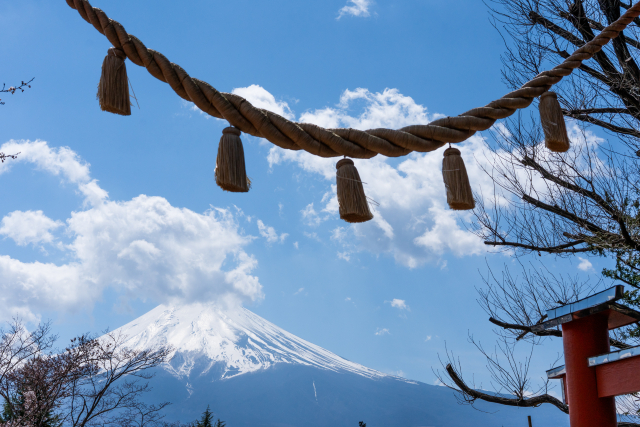
遥拝所(天空の鳥居): 神社の背後の山を登ると、富士山を正面に仰ぎ見る「遥拝所(ようはいじょ)」に辿り着きます。ここに立つ鳥居は、山そのものを御神体として崇める日本古来の信仰の形を美しく表現しており、四季折々の富士の表情を最も気高く捉えることができます。

4. 基本情報:参拝のしおり項目詳細内容所在地山梨県南都留郡富士河口湖町河口1開門時間
24時間参拝可能(※社務所受付は 9:00〜16:00 頃)
拝観料無料(※遥拝所での撮影には、環境維持のための協力金が推奨されています)
公共交通機関富士山麓電気鉄道「河口湖駅」より、甲府駅行き等の路線バスで約15分、「河口局前」バス停下車。お車でのアクセス中央自動車道「河口湖IC」より約15分。
A Historical and Aesthetic Guide to Kawaguchi Asama Shrine: Quelling the Fury of Mt. Fuji for a MillenniumNestled at the northern foot of Mt. Fuji near Lake Kawaguchi, Kawaguchi Asama Shrine is a place where history and spirituality converge. More than just a scenic destination, it stands as a testament to the profound relationship between the Japanese people and the formidable forces of nature. Here is an intellectual exploration of its origins, legends, and enduring cultural significance.

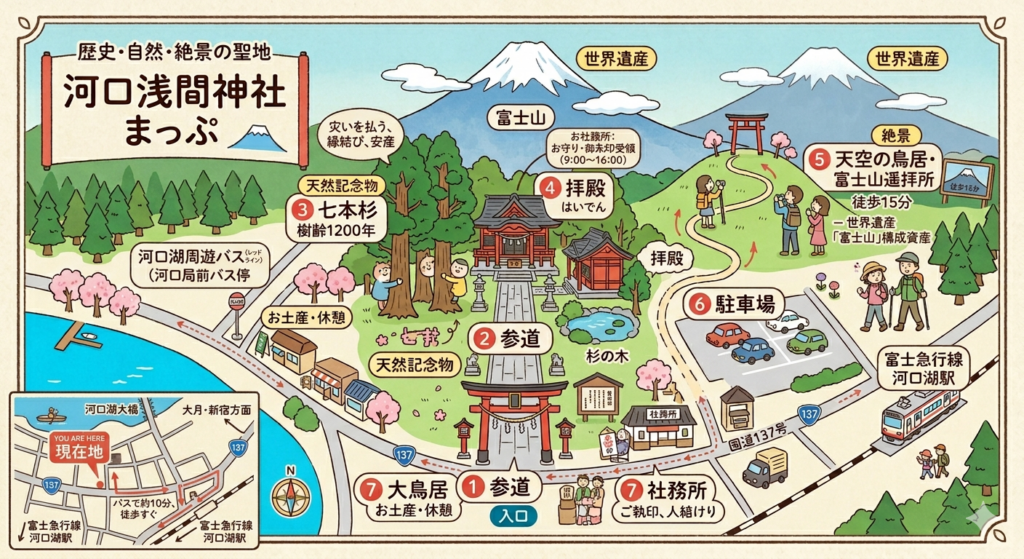
このイラストはイメージです。
1. History: The Great Eruption and the Shrine’s FoundationThe history of Kawaguchi Asama Shrine dates back to the year 864 AD (the Jogan era), when Mt. Fuji experienced a cataclysmic eruption. This disaster, known as the Jogan Eruption, produced massive lava flows that reshaped the landscape and created what is now the Aokigahara Forest.In response, the Imperial Court sought to appease the wrath of the volcano. In 865 AD, they established this shrine to venerate Asama no Okami, the deity of Mt. Fuji, in hopes of restoring peace to the land. Today, it is recognized as a component part of the Mt. Fuji UNESCO World Heritage site.
2. Legend: The Sanctuary of the GoddessThe shrine enshrines Konohanasakuya-hime no Mikoto, a beautiful goddess and the spiritual essence of Mt. Fuji.Historical records suggest a miraculous phenomenon: during the great eruption of the 9th century, the lava flow stopped short of the Kawaguchi area. For generations, people have believed that the divine power of the goddess protected this sacred ground. She is revered as a guardian against fire, a patron of safe childbirth, and a deity who fosters “Enmusubi”—the binding of strong, lasting relationships.

3. Features: Ancient Cedars and the Celestial GatewayUpon entering the precinct, one is immediately struck by the solemn presence of the Seven Sacred Cedars (Shichihonsugi), designated as natural monuments of Yamanashi Prefecture.The Seven Sacred Cedars: These towering trees are estimated to be over 1,200 years old. Among them, the fifth and sixth trees are particularly celebrated; their roots appear intertwined, earning them the name “The Parent Cedars” or “Matchmaking Cedars,” symbolizing unbreakable human bonds.The Torii Gate in the Sky (Yohaisho): Located on the hillside behind the main shrine, this site serves as a “Yohaisho”—a place to worship the mountain from afar. The Torii gate framing the peak of Mt. Fuji exemplifies the ancient Japanese tradition of nature worship, offering a majestic and intellectual perspective on the mountain’s sacred beauty.
4. Essential InformationItemDetailsAddress1 Kawaguchi, Fujikawaguchiko-machi, Minamitsuru-gun, YamanashiHoursPrecincts open 24 hours (Office hours for amulets/stamps: 9:00 AM – 4:00 PM)AdmissionFree (*A small donation is recommended for photography at the hillside Torii Gate)Public TransportApprox. 15 min by bus from Kawaguchiko Station; alight at “Kawaguchi-kyoku-mae” stop.